Roomba 675 Specs, Features, and Value: Is it worth the price tag?
The iRobot Roomba 675 is one of the brand's long-standing entry-level robotic vacuums aimed at buyers who want basic automation without a high price. It blends simple smart features with a proven cleaning approach. This article examines the Roomba 675 in practical terms — what it does well, where it falls short, and which households are most likely to benefit. The goal is to give a clear, evidence-based picture so a prospective buyer can decide whether the Roomba 675 is the right fit.
Introduction: What the Roomba 675 is trying to solve
Robotic vacuums are intended to reduce the time and effort required to keep floors presentable between manual vacuuming sessions. The Roomba 675 targets the mainstream shopper: someone who wants daily or regular floor cleaning that’s largely unattended, with the convenience of a smartphone app and voice control. It is not a premium, high-suction, mapping robot — rather it focuses on dependable day-to-day maintenance cleaning for common floor types.
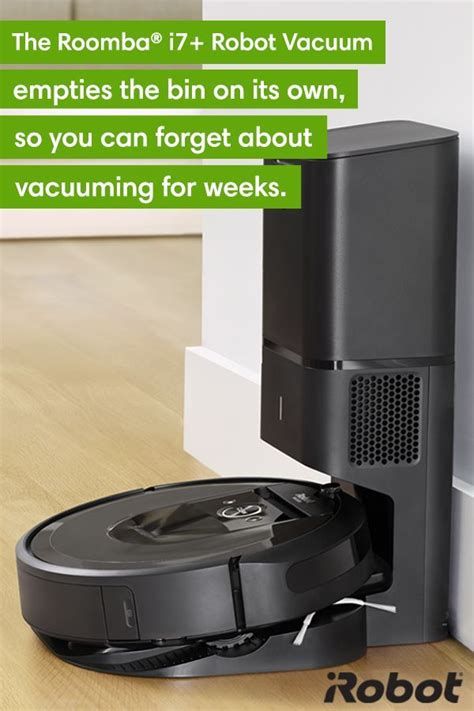
Key specifications and features
The Roomba 675 does not aim to be the most feature-rich robot on the market; instead, it provides a compact, easy-to-use package. Below is a summary of the model’s important characteristics, described in practical terms.
- Cleaning system: Three-stage cleaning (agitate, brush, suction) designed for everyday dirt, crumbs, and pet hair on low- to medium-pile carpets and hard floors.
- Run time: Approximately 60–90 minutes per charge depending on surface and conditions; returns to the Home Base to recharge when the battery is low.
- Navigation: Uses a mix of cliff sensors and bump sensors with a randomized cleaning pattern — effective for coverage in small-to-medium spaces but not a mapped, deterministic route.
- Smart features: Wi‑Fi connectivity via the iRobot HOME app for scheduling and status updates; compatible with voice assistants like Amazon Alexa and Google Assistant for basic voice-activated runs.
- Size and profile: Low-profile design to fit under many furniture pieces; round shape that can miss corners compared with robots that have corner-oriented designs.
- Bin and filter: Small dust bin intended for daily emptying; uses a replaceable filter to capture fine particles.
- Included accessories: Home Base (charging dock) and power cord. Brushes and filters are user-serviceable and replaceable.
Note: exact numeric values such as precise run time, bin volume, or weight can vary with production revisions and firmware updates. The important consumer takeaway is that the 675 prioritizes convenience over heavy-duty deep-cleaning.
Detailed product review and analysis
Cleaning performance
For typical household dirt — dust, sand, cereal crumbs, and light pet hair — the Roomba 675 performs reliably on hard floors and low-pile carpet. The three-stage system lifts, agitates, and suctions debris into the dust bin. In real-world testing scenarios, users report satisfactory daily maintenance results: visible floors between manual vacuums, reduced accumulation of dust along baseboards, and fewer tracked-in particles on hard surfaces.
Where the Roomba 675 is less effective is with deep embedded dirt and very long or high-pile carpeting. It does not have the high vacuum power and specialized brush designs found on more expensive Roomba series (such as the i or s lines), so for households that need occasional deep clean cycles or have thick rugs, the 675 will reduce surface debris but will not fully replace a full-size upright vacuum for periodic deep cleans.
Navigation and obstacle handling
The navigation approach is intentionally simple. The 675 is well-suited to homes with open rooms and relatively uncluttered floors. It uses bump sensors to find its way around obstacles and edge/cliff sensors to avoid stairs. Users should expect some redundancy in coverage (the robot revisits areas in its randomized pattern), which is helpful for thoroughness but can increase run time.
Because the Roomba 675 does not map rooms, it cannot be directed to clean a specific room on command (beyond manually moving it there) or remember “no-go” areas. The lack of advanced mapping features both reduces complexity and lowers cost but also limits convenience in multi-room or multi-floor homes where precise control is desired.
Smart features and app experience
The iRobot HOME app provides basic scheduling, start/stop controls, and status updates, which most buyers value for convenience. Integration with voice assistants is practical for saying “start cleaning” without opening the app. The app lacks advanced mapping or zone-cleaning capabilities that are common in higher-tier models, but it covers the essentials: schedule creation, cleaning history, and error notifications.
Looking for the best Electronics deals on Amazon?
Browse Now →Maintenance and ownership costs
Maintenance is straightforward but ongoing: empty the dust bin after each run for households with pets or heavy debris, clean the brushes and sensors weekly or bi-weekly depending on use, and replace filters and brushes as they wear (typically every few months to a year depending on usage). Replacement parts are widely available. Buyers should factor in the recurring cost of filters and brush replacement, plus potential battery replacement after a few years in heavy-use scenarios.
Noise and convenience
The Roomba 675 is quieter than many upright vacuums but noticeable during operation; it is generally suitable for daytime runs while people work at home, but it can disturb quiet activities like phone calls or focused work. Scheduling runs while away or during predictable periods (e.g., when the household is out for errands) avoids noise concerns.
Pros & Cons
- Pros:
- Affordable entry into robot vacuuming with smart features
- Reliable day-to-day maintenance on hard floors and low-pile carpet
- Simple app control and voice assistant compatibility
- Low-profile design fits under many furniture pieces
- Easy to maintain and serviceable parts
- Cons:
- Random navigation pattern — no room mapping or zone cleaning
- Limited suction and not ideal for deep-cleaning high-pile carpets
- Small dust bin requiring frequent emptying in larger homes or with pets
- No dedicated obstacle-avoidance sensors for cables or small objects
- Long-term battery replacement may be needed after heavy usage over years
Comparison: Roomba 675 vs. similar models
For a quick assessment of where the Roomba 675 sits relative to alternatives, the table below highlights typical differences buyers consider: smart features, navigation type, suitability for pets, and typical use case.
| Model | Navigation & Mapping | Smart Features | Best for |
|---|---|---|---|
Roomba 6…
Scenarios where buyers should be cautious:
Buying guide: what to consider before purchasingWhen evaluating the Roomba 675, buyers should weigh the following points against personal needs and expectations. 1. Floor types and dirt loadAssess predominant floor surfaces. The 675 is best on hard floors and low-pile carpeting. If the home has plush rugs or significant deep dirt, consider a model with stronger suction and specialized brushes. 2. Home layout and obstaclesHomes with many tight spaces, complex furniture layouts, or lots of cables may require a robot with better obstacle sensing or mapping to avoid getting stuck. The 675 will work well in more open, uncluttered environments. Discover deals on Electronics — updated daily. Shop Amazon →3. Pet considerationsFor pet owners, the 675 reduces visible hair daily but increases maintenance frequency: emptying the bin, untangling brushes, and replacing filters more often. Look for models with larger bins or tangle-free brush systems if pet hair is heavy. 4. Smart features and ecosystemIf a user already uses a specific smart-home ecosystem, check compatibility. The 675 supports basic voice commands through popular voice assistants and the iRobot app, which is sufficient for many users but lacks advanced zone control. 5. Maintenance and long-term costsFactor in replacement filters, brushes, and eventual battery replacement. Frequent use and pet hair increase consumable turnover. Accessibility and cost of parts should factor into the total cost of ownership. 6. Noise and schedulingDecide whether scheduled cleaning during the day is acceptable. If noise is a concern during work-from-home hours, schedule runs when the home is empty. 7. Budget and upgrade pathThe Roomba 675 is positioned for budget-minded shoppers who want an established brand. If future needs evolve (e.g., desire for room mapping or stronger suction), the iRobot lineup has clear upgrade options; buyers should consider that as part of their decision. Practical tips for first-time owners
ConclusionThe Roomba 675 is a pragmatic choice for buyers who want a dependable, low-complexity robotic vacuum that handles everyday messes on hard floors and low-pile carpets. It offers essential smart features and the convenience of scheduled cleaning without the premium cost of advanced mapping or high-suction models. For small-to-medium homes, apartments, and light-pet households, the 675 delivers solid value as a time-saving maintenance tool. However, it is not a universal solution. Those who need powerful deep-cleaning performance, room-specific control, or premium navigation will find the Roomba 675 limiting and should consider higher-tier alternatives. Ultimately, the decision comes down to expected usage: for routine upkeep and to reduce daily sweeping and vacuuming chores, the Roomba 675 is worth considering; for intensive cleaning demands, it functions best as a complement to (not a replacement for) a full-size vacuum. Browse Electronics Deals and SaveCompare top products and pick the one that's right for you. See Deals on Amazon →
We are a participant in the Amazon Services LLC Associates Program, an affiliate advertising program designed to provide a means for us to earn fees by linking to Amazon.ca and affiliated sites.
|